The Evolution of Designer Cheongsam: Culture Meets Fashion
Intro
The cheongsam, a traditional garment originating from the Qing Dynasty, has evolved significantly over the years. It is more than just a piece of clothing; it stands as a representation of a rich cultural history, melding the intricacies of design with the roots of Chinese heritage. The designer cheongsam has developed in such a way that it reflects not only the past but also the pulse of modern society. In this exploration, we’ll delve into its historical roots, design innovations, and cultural significance that continue to shape its identity.
The beauty of the cheongsam lies in its adaptability. From the classic silk representations adorned with intricate embroidery to contemporary renditions utilizing modern fabrics and silhouettes, the adaptability of this garment resonates with wearers across ages. One moment, it embodies the grace and elegance of tradition, and the next, it boldly steps into the realm of avant-garde fashion.
As we dissect each layer of the cheongsam, it’s important to consider the craftsmanship involved. This garment requires meticulous attention to detail, reflecting the skill of its makers and the cultural narratives it carries. Here, we aim to peel back the layers of this exquisite attire and reveal its versatility and significance in today's fashion landscape.
Fashion Tips
Essential Styling Advice
The designer cheongsam is a stunning piece that can be styled in numerous ways, making it a versatile addition to any wardrobe. Here are some pointers to help you pull off this timeless outfit:
- Accessorize Wisely: Keep accessories understated if your cheongsam is heavily patterned. Opt for a simple pair of stud earrings or a delicate bracelet.
- Footwear Choice: Pair your cheongsam with heels to elongate your figure. While stilettos are a classic choice, consider kitten heels for comfort without sacrificing style.
- Layering Techniques: In cooler months, playful layering can enhance the outfit. A tailored kimono jacket or a modern trench coat can create an elegant silhouette without overpowering the dress itself.
- Fabric Matters: When choosing a designer cheongsam, consider the fabric. Silks are more traditional, while cotton blends are perfect for casual wear.
Seasonal Wardrobe Must-Haves
To fully embrace the cheongsam in various settings, consider the following essentials:
- Spring/Summer: Lightweight fabrics in floral prints can breathe freshness into warm months. Opt for pastel colors that echo the blooming season.
- Fall/Winter: Rich jewel tones in heavier fabrics work wonderfully for colder months. Layer with turtlenecks and shawls for warmth while retaining elegance.
- Accessories: Incorporate seasonal accessories, such as a vibrant scarf in summer or a stylish beret in winter. These items can add personality, while maintaining the sophisticated character of the cheongsam.
Latest Trends
Emerging Fashion Styles
The cheongsam continues to influence modern designs, with several trends making waves on the fashion scene. Here’s what’s capturing attention:
- Sustainable Fabrics: Designers are increasingly using eco-friendly materials, turning the cheongsam into a statement of sustainability alongside style.
- Fusion Designs: Mixing Western silhouettes with the traditional cheongsam style creates unique looks. Expect to see variations that blend asymmetrical cuts or unexpected fabric combinations.
Celebrity Style Inspirations
Influencers and celebrities are embracing the cheongsam in fresh ways. Notably, stars like Fan Bingbing have taken center stage, showcasing elaborate designer creations that speak to both ancestral roots and contemporary aesthetics. Their style not only highlights the importance of the garment but also fosters a renewed interest among younger generations.
"Fashion is the armor to survive the reality of everyday life." - Bill Cunningham
The cheongsam’s incarnation today reflects a delicate balance of heritage and modernity. As we journey through its evolution, we uncover the threads that connect past artistry to present-day relevance. In the chapters ahead, we will dissect design variations, explore cultural significances, and highlight the dedicated designers shaping this classic attire for contemporary wardrobes.
Preface to Cheongsam
The cheongsam, also known as qipao, holds a significant place in both fashion history and cultural identity. Its importance is not merely confined to its aesthetic appeal but extends to embodying the complexities of Chinese heritage and adaptation in contemporary environments. In this section, we’ll delve into what makes the cheongsam a timeless piece, examining its definition, characteristics, and rich historical background.
Definition and Characteristics
At its core, the cheongsam is a form-fitting dress that typically features a high neckline and a straight skirt, often slit at the sides. This design has evolved over time, yet it retains an essence of elegance and femininity. Key characteristics include:
- Tailored Fit: The silhouette accentuates the wearer’s figure, often requiring skillful tailoring to achieve the intended look.
- Fabric Choices: Traditional cheongsams are often made of silk or satin, adorned with intricate embroidery or brocade patterns.
- Cultural Embellishments: Designs frequently incorporate motifs that symbolize prosperity, happiness, and longevity, reflecting the values embedded in Chinese culture.
- Variations in Sleeves: From sleeveless to capped or long sleeves, the design allows for individual expression, making it adaptable for various occasions.
These elements not only define the look of the cheongsam but also contribute to its role in personal and cultural narratives.
Historical Background
The journey of the cheongsam traces back to the Qing Dynasty, where it originally served as a garment for Manchu women. As the years rolled by, the dress transcended its roots, evolving into a symbol of modern Chinese womanhood during the early 20th century. This transformation coincided with significant social changes, particularly as women began to assert their roles in society.
By the 1920s and 30s, the cheongsam had widely been adopted in urban centers like Shanghai, where it became synonymous with sophistication and style. Influential figures emerged, donning the cheongsam and underlining its status as a fashionable icon. The World Wars and subsequent socio-political shifts impacted its accessibility and variations but never diminished its cultural significance.
As globalization took hold, the cheongsam found new expressions across the world. Designers began to reinterpret its classic lines, merging them with Western styles, thus giving rise to contemporary takes on this traditional garment. Today, society sees the cheongsam not just as clothing but as a canvas reflecting the wearer's identity, bridging the past with modernity.
Cultural Roots of Cheongsam
The cheongsam is more than just a garment; it embodies the rich tapestry of Chinese heritage and its dynamic evolution through time. Understanding its cultural roots is pivotal when discussing the designer cheongsam, as it anchors the garment to its historical context and essential meanings that resonate with both identity and tradition. These cultural roots shape how the cheongsam is designed, styled, and worn today, making it an indispensable conversation in fashion circles.
Symbolism and Meaning
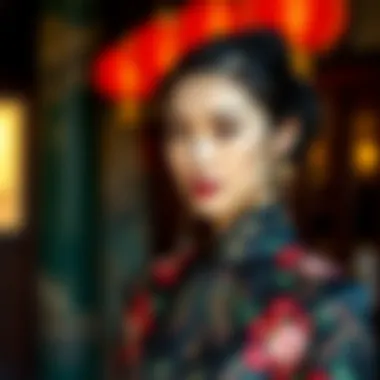
At its core, the cheongsam symbolizes grace, femininity, and sophistication. Each piece tells a story, interlacing notions of cultural identity within the fabric of the dress itself. This symbolism goes beyond aesthetics; the tight-fitting silhouette typically highlights the wearer's figure, reflecting the traditional Chinese beauty standards. It is often said that in wearing a cheongsam, a woman is wrapped not only in fabric but also in history and culture.
The use of intricate embroidery and traditional motifs can also convey deeper meanings. For instance, designs featuring peonies symbolize wealth and prosperity, while dragons represent power and strength. This relationship between design and symbolism fosters an emotional connection with the garment, making it a cherished item for many. As many would agree, a cheongsam is much more than fabric stitched together—it's a statement piece, often worn during important celebrations and festivities.
"A cheongsam doesn’t just dress a woman; it expresses her identity, cultural pride, and aspirations."
Regional Variations
The beauty of the cheongsam lies in its adaptability and regional interpretations across China. Each area lends its unique twist to the garment, influenced by local customs, climates, and resources. For example, the Shanghai style leads the pack with its sleek, elegant designs that embrace modernism while retaining a nod to tradition. In contrast, the Guangdong style is often more relaxed, incorporating lighter materials that suit the subtropical climate.
- Shanghai Cheongsam: Characterized by its high slit and modern cuts, perfect for evening wear.
- Guangdong Cheongsam: More casual and made from breathable fabrics, underscoring comfort without compromising style.
- Sichuan Style: Typically features bolder colors and patterns that reflect the vibrant culture of the region.
These regional versions not only highlight the diversity within the cheongsam but also emphasize its role as a canvas for cultural expression. As designers continue to innovate, they pull from this wealth of variations, inspiring a fusion of styles in contemporary designs that capture the essence of the cheongsam's cultural roots. The ongoing evolution of these styles illustrates how flexible and enduring the cheongsam remains in the landscape of global fashion.
The Evolution of the Designer Cheongsam
The designer cheongsam represents more than just a piece of clothing; it embodies a journey through time and culture. This evolution has seen the cheongsam morph from its traditional roots into a garment celebrated on global runways and in sophisticated boutiques. Understanding this transformation is crucial for anyone interested in fashion, design, or cultural narratives. By observing how the cheongsam has adapted, we can appreciate its relevance and resilience in a rapidly changing world.
Transition from Tradition to Modernity
The initial iterations of the cheongsam, known as qipao, were simple yet elegant, designed to adhere closely to the body's form. These early cheongsams, typically made from silk adorned with intricate embroidery, were a reflection of the socio-political climate in China during the early 20th century.
Transitioning into the modern landscape, the cheongsam has embraced various styles and cuts, allowing for more variety in how it is worn. For example, the introduction of asymmetrical hemlines and innovative necklines have helped the cheongsam gain a contemporary edge. Designers tailored for the modern woman seek to balance cultural respect with current fashion trends, often infusing traditional aesthetics with novel materials. Among these are synthetic fibers like polyester and blends that offer comfort and versatility while maintaining an exquisite silhouette.
"Every stitch carries a history, and with each change, we write a new chapter." — Influential Designer
This evolution has also opened the door to innovative (and sometimes bold) patterns and colors. While traditional cheongsams often featured muted tones of red or gold, modern interpretations might employ brighter hues or even monochromatic palettes. As a result, the designer cheongsam appeals to a broader audience, inviting anyone from fashion-forward millennials to those seeking to honor heritage in style.
Influence of Western Fashion Trends
The ripple effect of Western fashion trends on the cheongsam cannot be overstated. After World War II, Chinese fashion experienced an influx of Western influences, reshaping how cheongsams were designed and perceived. Tailoring techniques borrowed from European fashion created a fascinating blend; while maintaining the characteristic silhouette of the cheongsam, designers began to incorporate elements such as draping, layering, and even the use of Western-style buttons.
Current trends show designers experimenting with the combination of the cheongsam with Western-style dresses or even casual wear. This hybridization speaks not only to a shift in aesthetic preferences but also captures the spirit of globalization. In many high-end collections, we see cheongsams accented with trendy items such as leather jackets or oversized blazers, creating a visual dialogue between cultures and styles.
In summary, the evolution of the designer cheongsam signifies more than mere aesthetic shifts; it mirrors the complex relationship between cultural identity and global influence. As we observe the garment's transformation, it becomes evident that the cheongsam is not just surviving; it is thriving within the current fashion dialogue, asserting itself as a timeless piece of sartorial art.
For further reading on fashion evolution and cultural significance, you might explore additional resources such as Wikipedia or Britannica.
Design Elements of the Cheongsam
The designer cheongsam, also known as "qipao," is more than a mere garment; it is a canvas on which art, culture, and personal expression intertwine. Each stitch and seam carries significance and meaning that can define personal and cultural identity. Grasping the design elements involved in crafting these stunning pieces is essential for anyone looking to appreciate or create them.
Silhouettes and Cuts
When it comes to design, the silhouette of a cheongsam is paramount. Traditionally, the cheongsam is tailored to hug the body's curves, accentuating femininity with a streamlined shape. The classic high collar and side slits are not just about aesthetics; they harmonize comfort with elegance, allowing ease of movement. Today, designers explore variations beyond the classic form, utilizing asymmetrical cuts or even layering different lengths to reinvent the silhouette.
- A-Line and Straight Cuts: These offer a more modest and versatile look, suitable for various occasions.
- Asymmetrical Designs: A rising trend, especially among modern designers, adds an avant-garde touch that appeals to a younger demographic.
- High Slits: This trend remains popular, blending elegance with allure, making it suitable for formal events or cocktail gatherings.
Fabrics and Textiles
The choice of fabric plays a significant role in determining the style and feel of a designer cheongsam. Silk is traditionally favored for its luxuriousness and sheen, but contemporary interpretations often incorporate a stretch blend to add comfort without sacrificing style. The movement of the fabric enhances the appearance of the garment, creating fluid lines that dance with the body's motion.
- Silk: As the classic choice, silk offers a luxurious experience with a soft touch.
- Cotton and Linen: These materials lend themselves to a more casual, breathable wear, appealing for day-to-day outings, enhancing comfort.
- Satin and Brocade: Often used for formal variants, these fabrics carry rich textures and patterns that complement elaborate designs.
Designers are now more than ever open to pairing these materials to create unique combinations that allow for more freedom in styling.
Color Palettes and Patterns
Color and pattern are detractors from the monochromatic norms. In the realm of designer cheongsams, the selections available make it feel like a world of its own. Bold reds and rich golds signal festivity in traditional contexts, while subdued pastels capture a sense of understated elegance. Patterns can range from floral motifs to geometric shapes, reflecting the designer's artistic intent or cultural significance.
- Traditional Colors: Red signifies good fortune, while gold represents wealth. These remain favored for special occasions.
- Modern Trends: Earthy tones and jewel shades are prevalent, offering a minimalistic yet sophisticated palette that resonates with contemporary aesthetics.
- Patterns: Floral designs highlight femininity. In contrast, abstract designs may connect with urban art influences, showing how designers blend varied inspirations.
Important note: Understanding the interplay among silhouette, fabric, and color choices enables both designers and consumers to appreciate the artistry behind each piece of attire.
Through examining these elements, we unveil the dynamic essence of the designer cheongsam. With every variation and evolution, this garment continues to adapt while remaining connected to its rich history.
Craftsmanship in Designer Cheongsam
When it comes to the designer cheongsam, craftsmanship stands as the heart and soul of this celebrated garment. Every stitch, fabric choice, and embellishment tells a story—a narrative woven from the threads of tradition and innovation. It's not just a piece of clothing; it embodies a rich cultural heritage that harmonizes with modern aesthetics. The precision and artistry involved in creating a designer cheongsam significantly contribute to its status as a timeless fashion statement.
Techniques and Artistry
The techniques employed in the making of cheongsam are a blend of age-old practices and contemporary artistry. Embroidery, for example, plays a pivotal role in enhancing the visual appeal. Designers often use intricate patterns that reflect cultural symbols, such as dragons or phoenixes, which are deeply rooted in Chinese mythology. This decorative technique requires a keen eye for detail and an exceptional level of skill.
In addition to embroidery, fabric manipulation is a key technique. Skilled artisans often work with luxurious materials, such as silk or brocade, to create a garment that not only looks beautiful but feels exquisite against the skin. Different textures and weaves can also add depth to the design, resulting in a piece that feels both distinctive and elegant.
"A well-crafted cheongsam can transform from simple attire into a work of art."
Furthermore, the art of hand-sewing remains an essential technique, ensuring that each garment maintains its quality while providing a unique fit tailored to the individual. The precision of hand-stitching grants the designer greater control over the final look, letting them highlight or downplay certain features of the silhouette. This meticulous craftsmanship brings about a rare combination of durability and elegance, essential for any outfit meant to stand the test of time.
The Role of Tailoring
Tailoring plays a vital part in the artistry of the designer cheongsam. A well-tailored piece enhances the wearer's natural silhouette, offering a flattering fit that accentuates their form while also promoting mobility. Designers frequently incorporate various seam techniques to cater to the body dynamics of their clientele. A skillful tailor understands how to balance traditional aspects of the dress with the tastes and comfort of modern consumers.
Moreover, the importance of fittings cannot be understated. Often, multiple fittings are conducted to ensure the garment aligns perfectly with the wearer’s dimensions. This personalized approach not only builds a lasting relationship between the buyer and the designer but also underscores the individual’s unique style. The effort invested in precise tailoring reflects a commitment to quality that resonates strongly with discerning customers.
In sum, the craftsmanship in designing the cheongsam melds tradition with personal expression. By cherishing these techniques and tailoring principles, designers not only preserve this culturally significant garment but also adapt it beautifully for the future. The result is a diverse array of cheongsams that not only reflect the past but also embrace the present and future of fashion.
Influential Designers in Cheongsam Fashion
The cheongsam, a garment steeped in cultural history, has been shaped significantly by several influential designers over the years. These visionaries have harnessed the timeless appeal and intricate aesthetics of the cheongsam, pushing it from traditional roots into modern fashion. Their impacts stretch far beyond fabric and thread; they ushered in a transformation of identity, self-expression, and cultural representation. Understanding these influential figures can provide insight into the garment's evolution as more than just clothing but as an emblem of identity.
Pioneers of the Modern Cheongsam
The inception of the modern cheongsam can be credited to pioneering designers who sought to blend tradition with contemporary sensibilities. During the early 20th century, figures like Lai Shengrong played crucial roles in redefining the cheongsam. Lai, who operated during the Republican era, emphasized the importance of tailoring that enhanced femininity, blending Western fashion influences with traditional Chinese aesthetics. The silhouette became more form-fitted, and fabrics often featured bold colors and patterns that were previously unimagined for this garment.
On the other hand, Yuan Ying took strides in the 1950s to promote the cheongsam as a symbol of cultural pride. In a rapidly changing society, her designs championed the notion that the cheongsam could adapt while firmly rooting itself in cultural heritage. Rather than fading away, the dresses she crafted embraced the rich textiles and intricate craftsmanship that characterized traditional attire, fostering a revival that still resonates in today’s designer creations.
"Designers are the storytellers of fabric. They weave culture and history with every stitch."
Contemporary Visionaries
In today’s fashion landscape, contemporary designers are continuing the legacy set by the pioneers while introducing their unique interpretations. Notable among them is Vivienne Tam, whose trademark style combines Eastern tradition with Western influences, creating pieces that speak to both authenticity and modern chic. Tam’s vision elevates the cheongsam into spaces like runways and mainstream fashion, allowing it to transcend its traditional boundaries.
Another driving force is Guo Pei, an avant-garde designer whose intricate techniques and lavish designs have reinvigorated global interest in the cheongsam. Guo’s work often showcases semi-architectural elements that push the limits of the form while keeping the essence intact. With stunning embroidery and unconventional fabric choices, she has earned herself a place in haute couture circles, proving that the cheongsam can soar within contemporary haute fashion while still resonating with its historical significance.
These designers reflect the ongoing dialogue between past and present, weaving a tapestry where history continues to inform modern interpretation and appreciation. Their impacts go beyond aesthetics, encouraging discussions about identity, culture, and the evolving role of women in society.
In essence, the journey of the cheongsam is not just about fabric but also about how it encapsulates stories of resilience and evolution that of multiple generations through the lens of influential designers.
Cheongsam in Global Fashion
The cheongsam, often referred to as qipao, has evolved from a traditional Chinese garment into a powerful symbol of cultural identity and fashion sensibility that resonates worldwide. This transition highlights the intricate dance between cultural heritage and contemporary style, showcasing the cheongsam's ability to adapt and thrive across diverse contexts. This section aims to illuminate the significance of the cheongsam in the global fashion scene, emphasizing its international recognition, cultural exchange, and the interplay of influences that contribute to its narrative.
International Recognition
The rise of the cheongsam on the global stage is no small feat; it stands tall as an emblem of elegance and grace. In recent years, various designers have taken the liberty of reimagining this classic attire, giving it a fresh voice. It's not just confined to runways in Shanghai or Hong Kong anymore. You'll find models donning a sleek, modernized cheongsam in fashion capitals like Paris and New York. The garment's international appeal lies in its unique blend of tradition and modernity, which captivates a wide audience.
Consumers are now more aware of global fashion influences than ever before. This heightened awareness propels the cheongsam into mainstream media, seen worn by celebrities on red carpets and in photoshoots. The vibrant prints, exquisite craftsmanship, and flattering silhouettes draw admirers from various cultures and backgrounds. In the fashion world, where trends can be fleeting, the enduring allure of the cheongsam solidifies its place in modern wardrobes.
The cheongsam’s journey from a traditional attire to a global phenomenon symbolizes a rich tapestry of cultural exchange and creativity.
Cultural Exchange and Influence
The journey the cheongsam has taken reflects broader themes of cultural exchange, where fashion acts as a bridge between different worlds. As designers reinterpret this garment, they are not merely tailoring fabric; they embody a dialogue that speaks to global trends and local traditions. The infusion of Western design elements has created numerous hybrids—like the cheongsam dress with a Western twist—that cater to a newer audience, emphasizing versatility and adaptability.
In many ways, the cheongsam has become a canvas, showcasing a blend of motifs from different cultures. It merges Chinese silk embroidery with minimalist Scandinavian aesthetics, or pairs traditional Qing dynasty patterns with contemporary graphic designs—each creation tells a unique story. This cross-pollination fosters appreciation for diverse cultural norms, allowing people to engage with the garment in a way that resonates with their personal identity.
Furthermore, social media platforms like Instagram have accelerated this cultural exchange. Influencers and fashionistas share their interpretations of the cheongsam, inspiring users to create a unique blend of their cultural background alongside modern influences. This phenomenon not only amplifies visibility but also encourages self-expression among fashion lovers, whether they are wearing the cheongsam at a festival or integrating elements into their everyday attire.
By heralding the cheongsam as a significant player in global fashion, we acknowledge its potential to create community and understanding across borders—a piece of fabric that carries with it tales of heritage, transformation, and future possibilities.
Styling the Designer Cheongsam
When delving into the realm of designer cheongsams, styling takes center stage, bridging tradition with modern flair. This distinctive garment isn’t merely about the fabric and cut; it's about how each piece can be transformed through thoughtful accessorizing and conscious choices tailored to various occasions. Grasping the nuances of styling the cheongsam elevates the wearer’s presence, enhancing both aesthetic and cultural significance.
Accessorizing Techniques
Accessorizing the cheongsam is an art that requires an understanding of the garment's roots and the fashion landscape today. Here are several customizing techniques:
- Jewelry Choices: Statement earrings, delicate necklaces, or minimalist bangles can either complement or contrast the cheongsam's intricacies. For instance, a simple jade pendant harmonizes well with embroidered motifs. In contrast, bold gold hoops can add a contemporary kick to a classic look.
- Footwear: Choosing footwear that complements the cheongsam is pivotal. Traditional options lie in the realm of silk or satin shoes, while modern iterations might see stylish mules or even sleek ankle boots paired with a streamlined silhouette.
- Bags and Clutches: A well-chosen bag can serve not only a practical purpose but also enhance the overall aesthetic. An intricate beaded clutch or a modern crossbody can help showcase the cheongsam’s charm, depending on your outfit's direction.
- Hats and Scarfs: Sometimes, adding a hat or a chic scarf can make a delightful statement. Whether it’s a wide-brimmed hat for an outdoor event or an elegant silk scarf draped casually around the neck, these accents can personalize the cheongsam experience.
In summary, accessorizing isn’t just an afterthought; it’s a vital part of the styling process. Knowing how to accentuate the cheongsam can turn a lovely dress into a show-stopping ensemble.
Occasion-Specific Styling
Styling the cheongsam varies greatly depending on the event, and knowing how to adapt to different occasions means understanding the balance between tradition and personal expression. Here are some situations to consider:
- Weddings and Formal Gatherings: Opt for richer colors and elaborate embellishments. A high-neck cheongsam adorned with lace or sequins can create a dramatic effect suitable for weddings or galas. Paired with high heels and exquisite jewelry, this look is bound to turn heads.
- Casual Outings: For a relaxed brunch or casual gathering, a simpler, lighter fabric like cotton with minimalist designs could fit the bill. Pairing it with sandals and a crossbody bag can maintain both comfort and style.
- Cultural Festivals: Here, it’s all about embracing tradition. Look for cheongsams with traditional motifs and vibrant colors. Completing the look with culturally inspired accessories makes a statement about pride and heritage while looking stylish.
- Corporate Events: For a more subdued approach, choose a structured cheongsam in neutral tones or subtle patterns. Coupling it with a blazer can transform it into something suitable for the boardroom, allowing the wearer to express their identity without sacrificing professionalism.
Ultimately, the right styling for a designer cheongsam hinges on understanding the context. The garment's versatility is one of its greatest strengths, making it a dynamic player in both fashion and culture.
The Future of Designer Cheongsam
Looking ahead, the designer cheongsam stands at a fascinating crossroads in fashion. Its ability to blend tradition with modernity makes this garment not just a piece of clothing but a living canvas reflecting the society and values of today. Addressing sustainability and the need to adapt to modern consumers is paramount as the cheongsam moves forward into new eras.
Sustainability in Cheongsam Production
The conversation around sustainability has become central in the fashion industry, influencing the practices of designers and consumers alike. For the cheongsam, embracing sustainable production methods is not just beneficial; it's essential. The fabrics used historically varied widely, from silk to cotton, but with a growing demand for eco-friendly materials, designers now have the chance to innovate.
There are several ways to incorporate sustainability:
- Use of Organic Materials: Organic cotton, linen, and recycled fabrics can replace traditional fabrics, lowering the carbon footprint.
- Local Sourcing: By fusing regional materials with the production process, the ecological impact of transportation decreases.
- Ethical Labor Practices: Focus on fair wages and safe working conditions creates a more responsible fashion industry.
Moreover, sustainable design can infuse fresh ideas into the cheongsam. Designers might adopt techniques like zero-waste pattern making or upcycling, where existing materials are repurposed into new garments. As more consumers become conscious of their purchases, the cheongsam could evolve into a symbol of not just style, but of a more sustainable and ethical approach to fashion.
"Sustainability in fashion is no longer a trend but a necessity; the future of the cheongsam deserves a niche where tradition coexists with respect for the environment."
Adapting to Modern Consumers
Today's consumers are not just looking to buy; they want experiences. They demand authenticity, personalization, and values that resonate with them. As such, the cheongsam must evolve to meet these expectations. Various factors shape this adaptation:
- Personalization: Designers are increasingly offering tailored options that allow customers to customize silhouettes, colors, and fabric choices.
- Inclusivity: The industry is seeing shifts toward more inclusive sizing and designs that cater to different body types.
- Cultural Sensitivity: A nuanced understanding of the cheongsam's historical significance can guide designers in creating pieces that respect its heritage while appealing to contemporary tastes.
Integrating technology also plays a crucial role. Augmented reality can enhance the shopping experience, allowing customers to virtually try on cheongsams before purchase. Moreover, e-commerce platforms specifically tailored for niche markets can help in reaching a global audience.
The future of designer cheongsam is rich with potential, intertwining the past with the needs of modern society. As the fashion landscape transforms, so too does the narrative around this iconic garment, reassuring us that the cheongsam will not only adapt but thrive.
The End: The Enduring Legacy of Cheongsam
The cheongsam stands as more than just a garment; it is a remarkable representation of culture and progress. This article has traversed the history and evolution of the designer cheongsam, linking its traditional roots to contemporary adaptations and increasing significance in global fashion. The enduring legacy of the cheongsam can be attributed to its unique blend of aesthetic appeal and cultural resonance, making it a beloved choice among a variety of demographics.
Reflecting Culture and Identity
The cheongsam has always acted as a mirror for the shifting tides of society. Its design often reflects the times and the values held by the wearers. Traditionally, the cheongsam symbolized femininity, grace, and modesty, deeply intertwined with Chinese culture. Each stitch, fabric selection, and color choice carries with it stories of heritage and identity.
- Cultural Significance: The garment denotes a rich heritage that is celebrated during festivals and family gatherings. It serves as a vessel for cultural expression, which often varies with regional flair, from vibrant silk patterns to simple yet elegant cuts.
- Evolution with Identity: As the world’s perspectives on gender and identity continue to evolve, so too does the cheongsam. Today's designers infuse modern twists into the cut and fabric, allowing personalization that embraces individual identity without losing the garment’s roots. This evolution makes it inclusive, appealing to non-Chinese wearers who appreciate its elegance and symbolism.
A Timeless Piece in Fashion
When one thinks of iconic fashion pieces, the cheongsam is right up there among the best. Its ability to adapt while remaining true to its essence demonstrates its resilience in the ever-changing world of fashion.
- Durability in Fashion: Unlike fleeting trends, the cheongsam remains relevant. Many stylists and fashion enthusiasts herald it as a timeless classic, capable of crossing cultural barriers and appealing to a global audience. This adaptability often garners attention during prestigious events and fashion weeks.
- Versatility: The designer cheongsam transcends occasions—from sophisticated evening wear to casual daytime attire. Its charm lies not just in its traditional forms but also in the innovative designs showcased by modern designers. For example, materials such as lace or even denim are now being explored to cater to various tastes and contexts.
The evolution of the cheongsam is a testament to its enduring legacy. It embodies a rich interplay of history, culture, and modern fashion, ensuring that it will remain a cherished piece for years to come. A perfect blend of past and future, the cheongsam not only celebrates tradition but also invites us to re-imagine and redefine beauty and identity in contemporary society.
"Fashion fades, style is eternal." - Yves Saint Laurent
As the cheongsam continues to evolve, it invites all of us—stylists, bloggers, retailers, designers, and shoppers—to appreciate its cultural significance while embracing modern interpretations that reshape our collective understanding of fashion.