Essential Guide to Hair Dye Color Brush and Bowl Sets
Intro
When it comes to achieving that perfect hair color, the right tools can make all the difference. Using a hair dye color brush and bowl set transforms the process from a daunting task to a more manageable and enjoyable experience. These tools provide precision and control, allowing for an even application that yields vibrant results. Whether you are a stylist working in a salon or someone who enjoys a DIY approach at home, understanding the essentials of these kits is crucial.
In this article, we explore the critical components and considerations surrounding hair dye color brush and bowl sets. We will discuss various materials, techniques, and best practices to ensure a seamless coloring experience. By the end of this piece, you'll not only be equipped with the knowledge to select the right tools but also with insights that will enhance your overall hair coloring endeavor.
As we delve deeper into this subject, we aim to provide clarity and practical advice to help you refine your technique and achieve splendid results. The information presented is designed to cater specifically to stylists, bloggers, and individuals who appreciate the art of hairstyling. So, let’s get into the nitty-gritty and see what it takes to elevate your hair coloring game.
Foreword to Hair Dye Color Brush and Bowl Sets
Hair coloring is not just a trend; it’s a form of personal expression that can dramatically change one’s appearance and even boost confidence. When embarking on this journey, understanding the tools used can make a significant difference. This article delves into the essentials of hair dye color brush and bowl sets. Not simply a collection of tools, these sets are essential for achieving that flawless color application that many dream of.
Understanding the Importance of Quality Tools
Quality tools are the backbone of any successful hair-dyeing endeavor. Imagine trying to paint a masterpiece with a rusty brush and faded colors. That’s what using subpar tools is like when coloring hair. A good brush makes all the difference in applying dye evenly and precisely. Hair dyeing isn’t just a science; it’s also an art form. Without the right equipment, it’s like trying to bake a cake without measuring spoons; you might end up with a complete mess instead of a scrumptious dessert.
Investing in quality brushes and bowls not only saves time but also reduces frustration during the dyeing process. The risk of dye pooling, splotching, or uneven coloring diminishes with the right tools in hand. On top of that, using trusted brands provides peace of mind regarding the safety of your hair. Poorly made tools can lead to unsatisfactory results and even damage your hair.
Overview of Common Components
Hair dye color brush and bowl sets come with several components that are crucial for the coloring process. First and foremost, the brush is designed specifically for dyeing, featuring bristles that can either be stiff or flexible depending on the dye and technique used. This versatility allows users to cover various sections of the hair effectively.
The bowls, often made from materials like plastic or glass, are crucial for mixing the dye. Their shape usually allows for easier access, making it simpler to scoop out the product while coloring. Moreover, many bowls come with measurement markings to ensure the right dye-to-developer ratio, a key aspect in achieving the desired shade.
It’s important to note that while some kits may seem basic, they can include features that significantly enhance ease of use. For instance, ergonomic handles on brushes can help reduce strain during long application sessions, making the process smoother and more enjoyable for both the stylist and the client.
In summary, understanding these components clarifies how much thought goes into the design of these tools. When you choose wisely, you're not just picking items off a shelf; you're preparing to create something uniquely beautiful.
Materials Used in Hair Dye Brush and Bowl
When diving into the practice of hair dyeing, the tools wielded can significantly affect the outcome. The materials utilized in the production of hair dye brushes and bowls are not merely about aesthetics or cost; they are pivotal in ensuring a seamless application and an impressive result. Understanding the specific materials involved can empower users to make informed choices, tailoring their tools according to their needs and preferred techniques.
Types of Materials for Brushes
Hair dye brushes can be crafted from a variety of materials, each offering unique benefits. Generally, the bristles are made from either synthetic fibers or natural hair, typically nylon or boar hair.
- Nylon Bristles: These are the most common. They’re tough and resilient, capable of holding up to harsh chemicals found in hair dyes. Their flexibility allows for great precision in application, especially when tackling roots or fine sections.
- Boar Hair Bristles: These provide excellent distribution and are often softer than their synthetic counterparts. They can be ideal for applying color evenly over larger areas. However, they may not stand up to chemical exposure as well over time.
Each material has its pros and cons, but selecting the right one greatly hinges on the user's technique and the complexity of the dyeing process.
Choosing the Right Bowl Material
The dye application bowl is another crucial component in the color process. Options include plastic, glass, and ceramic. The choice of material can affect both the preparation and application of hair dye.
- Plastic Bowls: Lightweight and commonly used, plastic bowls are convenient. They resist breakage; however, they can stain or warp if using particularly strong chemicals for prolonged periods.
- Glass Bowls: Offering a more upscale look, glass bowls are durable and easy to clean. They don’t react with the dye, which can be beneficial, but their fragility can be a drawback in chaotic workspaces.
- Ceramic Bowls: These provide a solid option with an elegant touch. They are generally resistant to staining and can hold temperature better. Yet, they can be heavier and more prone to cracking, which might be a concern in busy salons.
Rethinking the bowl material can enhance both ease of use and the overall coloring experience.
Durability and Ease of Cleaning
Regardless of the brush or bowl materials chosen, durability and ease of cleaning should be a prime concern. High-quality brushes should endure repeated exposure to chemical solutions without fraying. Look for brushes that retain their shape even after extended use.
For bowls, the ability to withstand stains and residue from dye applications is essential. Cleaning should be straightforward, as any leftover dye can contaminate future applications, compromising the results. Here are some handy tips on maintaining your tools:
- Immediate rinsing: After each use, rinse brushes and bowls immediately to remove any dye residue.
- Use mild cleaners: Harsh detergents can damage the material; a gentle cleaner widely used for salon equipment can work wonders.
- Check for wear: Regularly inspect your brushes for signs of damage to avoid mishaps during application.
"Investing in high-quality tools can save time and money in the long run, as well as achieve better results."
Understanding the materials used in hair dye tools is a step toward making more knowledgeable choices as a stylist or enthusiastic DIYer. By recognizing the implications of different materials, one can not only improve the dyeing process but also create an enjoyable and effective experience.
Selecting the Appropriate Brush
Selecting the right brush is fundamental for achieving precision and finesse in hair dyeing. A well-chosen brush not only enhances the application process but also affects the final outcome of the color. For either a stylist working in a salon environment or DIY enthusiasts attempting their first home color, the brush can serve as an extension of your skillset. The right brush can transform a daunting task into a more artful endeavor, making it easier to reach those tricky spots and ensuring an even distribution of dye across hair strands.
Bristle Types and Their Functionality
When it comes to bristle types, the choice can make a whole world of difference. Generally speaking, brushes come with either synthetic or natural bristles. Synthetic bristles are typically made from nylon or polyester. They tend to be more durable, resistant to chemicals found in dyes, and easier to clean. This durability means fewer replacements over time, which can be a smart move for the budget-conscious. Natural bristles, on the other hand, offer a softer feel and might hold dye more effectively, making them suitable for specific coloring techniques, such as balayage or highlights.
Consider the specific task at hand. If you're looking to apply a cream dye evenly across the entire head, a brush with soft yet firm bristles would serve well for that job. But if fine detail work is required, for instance, texturing or touch-ups, a thinner, more precise brush can do wonders. In sum, the functionality of bristle types is not just about application; it's also about how the bristles will interact with the dye and the hair structure.
Size and Shape Considerations
Brush size and shape are equally significant when selecting the right tool for the job. For instance, a broader brush will cover large sections efficiently, while a smaller, narrow brush allows for intricate detailing and sectioning. The shape can also dictate how dye is applied; flat brushes are ideal for smooth applications, while angled brushes can help in creating lifts and depth in the color texture.
Also, think about your own comfort while handling the brush. A lightweight design can lessen fatigue, particularly during lengthy applications. Ergonomics plays a role too; brushes that allow for a comfortable grip can make a huge difference when you're maneuvering through hair sections.
In summary, when selecting a hair dye brush, pay attention to bristle types, size, and shape. A little thought into the selection process can pave the way for a seamless application experience, whether you're coloring professionally or for personal use.
Choosing the Right Bowl for Hair Dye Application
Selecting the appropriate bowl for hair dye application is a crucial step in achieving the desired results. An ideal bowl not only facilitates the mixing of hair dye but also ensures accurate application. This can significantly influence the outcome, allowing for even color distribution and preventing mishaps like spillages or unintended mixing of shades. It's imperative to pay attention to different types of bowls available, as each can serve specific functions and cater to varying stylist and consumer preferences.
Different Bowl Shapes and Their Use Cases
The shape of the hair dye bowl can influence how easily the dye can be mixed and applied. Common bowl shapes include:
- Standard Round Bowls: Often the most familiar shape, these bowls are widely used for mixing dye. They provide ample space for thorough mixing and are convenient for a broad range of applications.
- Squarish Bowls: These can offer a different angle for applying dye. They can be easier to control in terms of pouring and dipping brushes, making them suitable for precise work, especially near the roots.
- Deep Bowls: For those working with larger amounts of dye or thick formulations, a deep bowl can hold more your mixture, reducing the need for frequent refills.
- Flat Bottom Bowls: These bowls are great for quick applications and can easily be maneuvered during use. They minimize the risk of spills while ensuring that the dye stays in place.
Opting for the right bowl shape can streamline the dyeing process, allowing stylists and individuals to maintain efficiency while working.
Capacity and Measurements
Understanding the capacity and measurements of dye bowls is equally vital. A bowl that is too small may require constant refills, which can lead to potential inconsistencies in color application. On the other hand, an excessively large bowl could lead to product wastage, making it unideal for small touch-ups.
When choosing a bowl, consider these important factors:
- Capacity: Look for a bowl that holds enough volume for the amount of dye you typically work with. A bowl that comfortably holds 8-16 ounces is often sufficient for most applications.
- Measurement Markings: Many modern hair dye bowls come with measurement markings on the side. This can help in easily combining dyes and developer in the correct ratios.
- Ergonomics: An easy-to-hold bowl can make a difference during the application process. Comfort helps prevent fatigue during longer work periods, allowing for more careful application.
"When it comes to hair dye, a good bowl means smooth sailing; a bad one can lead to color chaos!"
Getting a handle on these aspects could very well be the difference between a successful coloring session and a frustrating one. Investing time in the right choice is time well spent.
Application Techniques for Effective Coloring
When it comes to dyeing hair, the technique employed during application can significantly impact the final result. The right methods can ensure even coverage, vibrant colors, and minimized mess. Understanding these techniques helps users avoid mishaps that could lead to disappointing outcomes, making it an essential topic in this article.
Step-by-Step Application Process
Getting the hang of the hair dye application process involves knowing several crucial steps. Here’s a straightforward guide to follow:
- Preparation: Before even touching the dye, ensure that your tools are ready. Have your hair dye, brush, bowl, gloves, and any other essentials within arm’s reach.
- Skin Test: This is crucial. Apply a small amount of dye on a patch of skin 48 hours before application to check for any allergic reactions.
- Sectioning the Hair: Divide the hair into manageable sections using clips. Starting from the back allows for easier access and prevents overlapping.
- Mix the Dye: Follow the package instructions to properly mix the dye in the bowl. Make sure it’s well blended to avoid inconsistencies.
- Application of Dye: Begin applying dye at the roots. Use a brush to distribute color evenly. Work your way down the hair shaft, ensuring each strand is saturated.
- Timing: Refer to the instructions for how long the dye should stay on the hair. Setting a timer can help prevent over-processing.
- Rinsing: Once the time is up, rinse thoroughly with lukewarm water until the water runs clear. Follow up with a conditioner if recommended.
- Final Care: Allow the hair to dry naturally, and avoid using heated tools immediately after dyeing.
Following these steps might seem simple, but they set the groundwork for a successful dye job.
Common Mistakes to Avoid
In the pursuit of the perfect hair color, mistakes are often made. Paying attention to these common pitfalls can save time, money, and frustration:
- Skipping the Skin Test: Never underestimate this step. Allergic reactions can be severe; always test beforehand.
- Poor Sectioning: Failing to section hair properly can result in uneven color. Take your time to clip and divide hair effectively.
- Not Using Enough Dye: Under-saturating hair leads to patchy results. Ensure every strand is adequately covered.
- Ignoring Timing Instructions: Leaving dye on for too long can damage hair while not leaving it on long enough can lead to faded results.
- Failing to Rinse Properly: Rinsing just a little can leave dye residue. Always rinse until the water runs clear.
By evading these common blunders, not only does the application process run smoother, but the outcomes can be remarkably better.
Remember, successful hair dyeing is about precision and patience.
For more information on hair dyeing techniques and tips, you might find these resources helpful:
Maintenance of Dye Tools: Cleaning and Storage
The upkeep of dye tools, namely brushes and bowls, goes beyond a simple housecleaning chore. It's all about preserving the effectiveness of your tools, ensuring they last longer while producing better results. A clean brush is not just a clean brush; it’s a vessel for vibrant color and even application. Regular maintenance of these tools significantly enhances the hair dyeing experience, prevents cross-contamination of colors, and ensures that the tools perform to their best capabilities with every use. Moreover, effective cleaning and appropriate storage solutions can save long-term costs as you won’t need to replace your tools frequently due to wear and tear or buildup of residue.
Proper Cleaning Techniques
Cleaning your dye tools correctly isn’t merely about running them under water.
- Rinse Immediately: Right after using your brush or bowl, rinse it with lukewarm water. This initial rinse helps remove the bulk of the dye before it sets in.
- Use Gentle Soap: A mild soap is your best friend. Go for dishwashing liquid or a gentle shampoo – you don’t need anything overly harsh, just something to cut through the dye residue.
- Brush Cleaning: For brushes, use a soft-bristle brush cleaning comb or your fingers to gently remove any tangles while rinsing. Make sure the water flows through the bristles to flush out residual dye.
- Sanitizing: Occasionally, it’s beneficial to sanitize your brushes and bowls with a solution of equal parts water and vinegar. This not only cleans but also helps eliminate any bacteria that might linger.
- Drying: Always lay brushes flat to dry after cleaning. Hanging them can cause water to drip into the ferrule, weakening the glue over time and leading to bristle loss.
Storage Solutions for Longevity
Once you've cleaned your tools, the next step is ensuring they are stored in a manner that keeps them in tip-top shape.
- Use a Dedicated Caddy: A caddy specifically for your dye brushes and bowls can prevent them from jostling around and getting damaged.
- Labeling Containers: If using multiple colors at once, labeled containers can help keep your tools organized, avoiding mix-ups and saving time during applications.
- Avoid Light and Heat: Store your tools in a cool, dark place. Direct sunlight can degrade the material over time, while heat can warp plastic components.
- Periodic Checks: Every now and then, give your stored tools a good look-over. Inspect for any signs of wear or damage, so you can replace any compromised tools before your next session.
"Keeping your dye tools in tip-top shape not only elevates your results but also your experience as a stylist or DIY enthusiast."
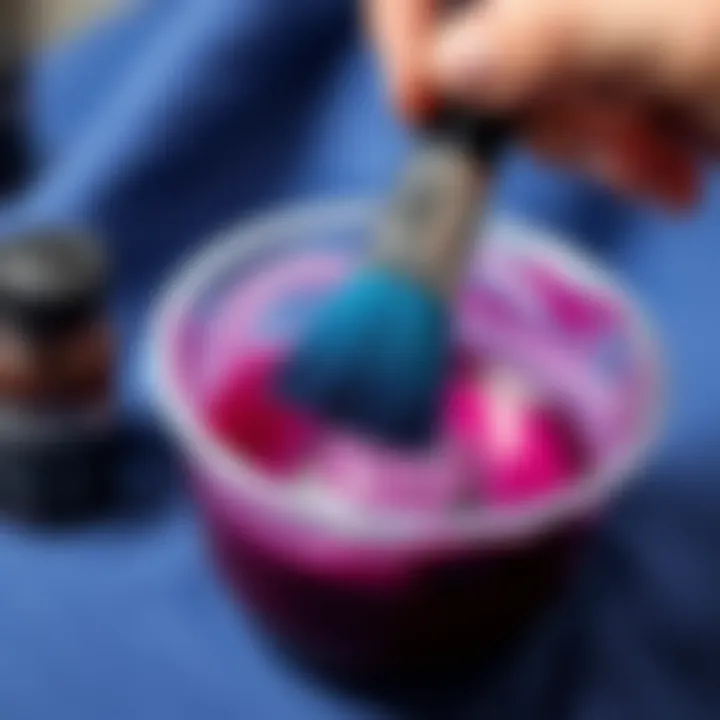
In summary, investing effort in cleaning and maintaining dye tools pays off significantly. It ensures a better application, prolongs the life of your tools, and ultimately leads to a more enjoyable dyeing process. Applying these cleaning techniques and storage solutions will set you on a path toward more beautiful outcomes.
Safety Considerations When Dyeing Hair at Home
Dyeing hair at home can be a rewarding adventure, but it’s paramount to prioritize safety during the entire process. The world of hair dye is not just about rich colors and trendy styles; it's also about minimizing risks associated with chemical exposure and allergic reactions. Being cautious can save one from unwanted skin irritations or the dire need to seek medical attention. In this section, we will outline critical safety considerations, focusing on skin tests and protective gear that help ensure a successful and safe hair coloring experience.
Skin Tests and Allergy Precautions
Before diving straight into the use of hair dye, performing a skin test is a fundamental practice that shouldn’t be skipped. Many hair dyes contain chemicals that may trigger allergic reactions, sometimes leading to rashes, swelling, or more severe issues. To avoid such scenarios, it’s advisable to conduct a patch test 48 hours prior to dyeing your hair.
- How to Perform a Patch Test
- Why It's Crucial
- Choose a Small Area: Select a discreet spot on your skin, such as behind the ear or on the inner forearm.
- Prepare the Dye: Mix a small quantity as per the instructions.
- Application: Apply a dime-sized amount on the selected skin area.
- Wait: Leave it for about 48 hours, ensuring to monitor for any reactions like redness or itching.
- This simple test can prevent a potentially nasty reaction. It’s better to be safe than sorry, as some individuals find out too late that they are allergic, sometimes going through unnecessary discomfort.
- Just because someone you know loves a particular color doesn’t mean it will like you back.
"An ounce of prevention is worth a pound of cure!"
Use of Protective Gear
When embarking on the hair dyeing journey at home, wearing the right protective gear isn’t just a suggestion; it's a necessity. Dyes can be messy and may cause staining or irritation if they come into contact with the skin or clothes. Here’s a quick rundown of essentials that should be worn while dyeing:
- Gloves: Always wear disposable gloves. These not only protect your hands from the dye but also prevent the skin from absorbing any harmful chemicals.
- Old Clothes: Put on an old shirt or apron that you wouldn't mind getting stained. Hair color can be persistent, so best to wear something you won't regret damaging.
- Face Mask: Using a mask can be useful if you’re particularly sensitive to strong odors. Dyes emit fumes that, while generally not harmful, can be unpleasant.
- Eye Protection: Though not always necessary, wearing goggles can prevent accidental splashes from reaching your eyes.
In summary, safety when dyeing hair at home is a combination of knowledge, precaution, and using the right tools. Always take the time to conduct a patch test and comprise a checklist of protective gear. Following these steps not only enhances the dyeing experience but also fosters a safe environment, allowing for creativity with fewer worries.
Environmental Impact of Hair Dyeing Tools
Understanding the environmental impact of hair dyeing tools is increasingly significant as both consumers and professionals strive to make greener choices. In an era where sustainability is top of mind, the choices made about hair dye tools can have wide-ranging effects on the environment. Every year, millions of single-use plastic brushes and bowls end up in landfills, contributing to the mounting plastic crisis. Furthermore, the chemicals in hair dyes can pose environmental hazards if not properly managed, making it more crucial than ever to consider both the effectiveness and environmental footprint of these tools.
Sustainable Materials and Practices
Sustainability in materials is a pivotal aspect of hair dyeing tools. Many brands are moving towards eco-friendly materials, specifically those that are biodegradable or derived from renewable sources. For instance, bamboo brushes are gaining popularity due to their renewable nature and lesser impact on the environment compared to traditional plastic utensils. Moreover, including natural bristles enhances both performance and sustainability.
Some manufacturers are also opting for recycled materials in their products. Using recycled plastics or other reclaimed materials can significantly reduce resource consumption and waste.
When practitioners consider the addition of sustainable practices, they not only protect the planet but also improve their brand image. Consumers are ever more inclined to support businesses that prioritize ecological responsibility.
Here are some key aspects of sustainable practices to consider when choosing hair dye tools:
- Biodegradable items: Products made from materials that break down naturally
- Recyclable packaging: Opt for brands that minimize waste through effective packaging methods
- Production processes: Look for tools created using clean manufacturing processes that reduce carbon footprints.
Disposal of Hair Dye Products
The proper disposal of hair dye products is another crucial factor to mitigate environmental issues. Many hair dye products contain chemicals that can be harmful to wildlife and ecosystems if they enter water systems. Therefore, informing clients and consumers on safe disposal methods is essential for the protection of our environment.
It's advisable to avoid tossing leftover dye or any tools in regular trash. Instead, encourage recycling or the specific disposal of hazardous materials through designated collection sites. Some states have implemented programs that allow for the safe disposal of beauty products, making it easier for consumers to do the right thing.
It's also important to communicate this information effectively. You could utilize social media platforms like Facebook and community resources such as Reddit to promote awareness.
"Waste not, want not! The principles of sustainability can guide every step in your hair dyeing process, from the tools you use to how you dispose of your products."
By considering these key elements—sustainable materials and responsible disposal methods—stylists and consumers alike play a part in lessening the environmental impact of their craft. As awareness grows, these small changes can yield significant benefits for the environment and public health.
Innovations in Hair Coloring Tools
When it comes to hair dyeing, the tools you use can make or break the experience. Innovations in hair coloring tools are pivotal not only for professional stylists but also for those who prefer the comfort of dyeing their hair at home. The advancement of technology has introduced new materials and methods that elevate the efficiency and effectiveness of coloring hair. Whether it’s the design of brushes, the functionality of bowls, or the development of tools tailored for specific techniques, innovation plays a crucial role in how satisfying and successful a dye job will be.
Emerging trends in technology are reshaping the landscape of hair dye applications. From smart tools that can monitor temperature adjustments to brushes with ergonomic designs that minimize wrist strain, these innovations are tailored to enhance the user's experience. By streamlining the application processes and making precise dye jobs more manageable, these tools contribute significantly to the overall outcome, ensuring the end results are nothing short of stunning.
"The right tools can turn a tedious task into a smooth operation, meaning your color will shine brighter and last longer."
Emerging Trends in Technology
In today’s market, several trends are making waves in the hair dye tool sector. One notable trend is the integration of digital technology with hair coloring tools. Devices equipped with connected features allow users to adjust settings based on their hair type and desired color outcomes. For example, electronic dye mixers, which blend the color to the precise shade each time, are becoming popular.
Another trend is the advent of biodegradable and eco-friendly materials used in brushes and bowls. More consumers are environmentally conscious and prefer products that contribute less to pollution. These innovations not only cater to the growing demand for sustainable products but also offer quality performance that matches or surpasses traditional materials.
Furthermore, customization is gaining traction. Many brands are offering modular brushes where users can interchange bristles for different styles or techniques. This level of customization can lead to better results as users can select the exact bristle type that best suits the application method they choose.
Future of Home Hair Dye Applications
Looking ahead, the future of home hair dye applications appears bright, fueled by the innovation in tools that promise to simplify the process without compromising results. One significant direction in this future is the trend toward user-friendly designs. For instance, bowls with integrated measuring systems will ensure that the user applies the right amount of dye, minimizing waste and ensuring consistency in color.
Moreover, improvements in pigment technology mean that dyes will not only cover grey but do so while maintaining the health and integrity of the hair. Tools that claim faster processing times with non-damaging formulas are becoming the norm, empowering home users to achieve salon-like results without stepping out of their door.
Additionally, innovations in application techniques will continue to emerge, driven by consumer demand for natural, subtle looks. Products like brushes specifically designed for balayage or ombre techniques will see an increase in availability and refinement.
Selecting Products for Desired Results
Selecting the right products for hair dyeing is more than just a matter of personal preference; it directly influences the outcome of your coloring efforts. Choosing appropriate tools ensures that the dye applies evenly and achieves the desired shade, which is especially crucial in today’s versatile styling landscape. A keen understanding of color theory and matching dye to hair type can significantly elevate results, allowing stylists and enthusiasts alike to create beautiful, vibrant looks.
Understanding Color Theory
Color theory forms the backbone of effective hair dyeing. It guides professionals in recognizing how different colors interact and how they can complement or contrast with natural hair tones. For instance, warm colors, such as reds and golds, can bring out the warmth in a person's complexion, while cool tones, like ash or beige, lend a sleek, modern touch.
- Primary Colors: Red, yellow, and blue are the foundations from which all other colors are created.
- Secondary Colors: These arise from mixing primary colors, such as green (yellow + blue) or purple (blue + red).
- Tertiary Colors: These are the result of mixing primary and secondary colors, creating hues like red-orange or yellow-green.
Styling professionals often refer to the color wheel, which visually represents how colors complement or clash. Understanding complementary colors, found opposite each other on the wheel, is especially important when correcting unwanted tones in previously dyed hair.
Equipped with this knowledge, users can select dyes that not only enhance their natural hues but also neutralize unwanted undertones. For instance, using a blue-toned dye can help counteract orange brassy hues in blonde hair, leading to a cooler, more polished finish.
Matching Dye to Hair Type
Another pivotal aspect of selecting hair dye is ensuring it aligns with the client’s hair type. Different hair textures and conditions can absorb and reflect color differently, thus influencing the final appearance. Here are some key factors to keep in mind:
- Hair Texture: Fine hair tends to absorb color more intensely, while thick, coarse hair may require a stronger formulation for a vibrant result.
- Hair Porosity: Understanding how porous the hair is can dictate the dye's effectiveness. High porosity hair might grab color too quickly, risking unevenness, while low porosity may require more intensive treatment to open the cuticle and allow for better dye absorption.
- Natural Hair Color: The starting point significantly affects the outcome; for instance, lightening dark hair requires a different approach than enhancing highlights in naturally blonde locks.
Choosing a dye that corresponds with these elements can mean the difference between dazzling results and a lackluster finish. Recommending premium products that are crafted for specific hair types, such as Olaplex for damaged hair or Schwarzkopf for color vibrancy, can enhance color longevity and condition.
Cost Considerations for Hair Coloring Tools
Understanding the financial aspects associated with hair dye tools is essential for anyone engaged in hair coloring, whether at home or in a professional salon. The tools you choose not only influence the outcome of your coloring efforts but also impact your overall budget. Keeping track of costs helps ensure that you are investing wisely in high-quality products that will yield optimal results. Let's dive deeper into two critical subtopics regarding the cost considerations involved in selecting hair coloring tools.
Budgeting for Quality Versus Cost
When it comes to budgeting for hair dye tools, there's a delicate balance between quality and affordability. Many of us have experienced the frustration of skimping on tool quality only to end up dissatisfied with the results. Good tools often come with a higher initial cost, but they can also significantly improve the results of your hair coloring endeavors. It’s like the saying goes, you get what you pay for.
Investing in durable brushes and bowls can simplify the application process and ensure an even outcome. For instance, a quality brush might come with well-structured bristles, allowing for greater precision in application. On the flip side, lower-priced brushes often have flimsy bristles, which can lead to uneven hair color.
Here are a few key points to consider when budgeting for your tools:
- Assess the Brand Reputation: Well-known brands have established quality control, so spending a little extra on their products is often worth it.
- Evaluate Tool Functionality: Look for brushes or bowls that are designed specifically for your intended use—some tools might offer features that justify the additional cost.
- Consider Customer Reviews: These can provide insight into whether a tool will deliver on its promises.
Long-Term Investment vs. Short-Term Savings
In doing any form of hair dye or home coloring, it’s crucial to consider whether spending less upfront will pay off in the long run. While budget tools might save you money at first, they may need regular replacement or lead to poor results, ultimately necessitating additional investment. Think of it like buying a cheap pair of shoes—they might feel alright for a week, but they won’t last long.
Choosing quality tools is a long-term investment in your personal grooming or even your salon’s reputation. High-quality hair dye brushes and bowls are often designed for repeated use and can withstand the rigors of multiple applications. This durability means you won’t regularly need to replace them, saving you money over time.
Consider the following when evaluating your investment:
- Durability: Quality tools can last years if cared for properly, making them a wise choice for regular use.
- Performance: Investing in well-made tools can improve your results, leading to satisfied customers or personal happiness with your hair.
- Resale Value: Some professional-grade tools retain value over time, providing an opportunity to recoup some initial investments.
Ultimately, making informed decisions about hair coloring tools not only reflects your commitment to quality but can also provide substantial savings in the long run.
Epilogue: The Importance of Choosing the Right Tools
Selecting the right tools for hair dyeing isn't just about aesthetics or personal preference; it significantly influences the outcomes of any coloring process. When it comes to hair dye color brush and bowl sets, quality and functionality matter. A good set equips stylists—whether seasoned professionals or enthusiastic beginners—with the means to achieve precise and stunning color results.
Having the right brush can make a world of difference. For instance, a brush with the right bristle type not only aids in the even distribution of dye but also allows for better control during application. Consider a brush with nylon bristles that can handle various dye types, whether cream or gel, compared to a substandard option that may leave streaks or inconsistent color. Similarly, the bowl’s design—be it round, square, or even a special mixing bowl—can impact your mixing and application efficiency. A textured bowl interior can help prevent dye from sticking, making cleanup a breeze.
In essence, investing in quality tools ensures convenience and efficiency. Think about how much time you save when your brush glides smoothly through the hair, or how easy it is to mix colors thoroughly. Beyond just convenience, good tools lead to consistent results, which can enhance customer satisfaction in a salon setting or boost one’s confidence during at-home coloring.
"Quality tools empower you to unleash your creativity, ensuring vibrant, beautiful results that speak for themselves."
Ultimately, understanding the nuances of brushes and bowls—ranging from materials to shapes—allows for informed decisions that can elevate any hair coloring experience. Not only does this knowledge foster better color outcomes, but it also promotes a deeper appreciation for the artistry involved in hair dyeing.
Summarizing Key Points
As we've delved through various aspects of hair dyeing, let's revisit the pivotal concepts discussed:
- Material Selection: Different brushes and bowls serve unique purposes depending on the hair type and product used.
- Application Techniques: Effective methods can prevent common mistakes, ensuring that dye is applied evenly and thoroughly.
- Maintenance and Care: Keeping tools clean and stored appropriately prolongs their life and effectiveness.
- Safety and Environmental Considerations: Awareness of skin sensitivities and proper disposal practices is vital for safety.—also being mindful of eco-friendliness in material choices.
- Cost and Quality Balance: While some may opt for the budget-friendly route, the long-term benefits of investing in high-quality tools often outweigh initial savings.
Reflecting on these points reinforces the principle that quality equipment is at the core of a successful dyeing experience, allowing for creativity to flourish.
Encouragement for Informed Choices
For those navigating the world of hair color tools, remember that informed choices lead to increased success in your endeavors. Assess your needs clearly—are you working in a bustling salon, or perhaps experimenting at home? Understanding your personal or client demands can guide your tool selection process effectively.
Moreover, staying abreast of new developments, such as emerging technologies in hair dye applicators or sustainable materials, can give you an edge. Resources such as Wikipedia, Britannica, and community forums like Reddit can provide you deeper insights. A simple search can unearth current trends, user reviews, and expert advice.