
Exploring Schick Dermaplane: Facial Exfoliation Guide


Intro
In the ever-evolving realm of skincare, exfoliation stands out as a key player in achieving healthy, radiant skin. Among the many methods available, the Schick dermaplane technique has carved a niche for itself as a favored choice for those seeking smooth and revitalized facial skin. This method, built on the principle of gently removing dead skin cells and fine vellus hair (often referred to as peach fuzz), offers not just aesthetic benefits but also plays a crucial role in enhancing the effectiveness of subsequent skincare products.
As the beauty scene shifts toward more at-home skincare solutions, understanding the ins and outs of Schick dermaplane becomes essential. Not only does it promise immediate results, but it also encourages a longer-lasting improvement in skin texture when performed regularly. In this comprehensive guide, we’ll explore the significance of this technique, highlight the beneficial effects of dermaplaning, and discuss essential tools, paying particular attention to the Schick dermaplaning device.
Whether you’re a seasoned beauty enthusiast or just dipping your toes into the world of facial care, you’ll find clarity and guidance on how to integrate this exfoliation method into your routine effectively. From procedural steps to skin type considerations, we’ll ensure you’re armed with all the knowledge needed to elevate your skincare game. So, let’s dive deep into the nuances of dermaplaning and discover what makes this technique a must-have for anyone looking to enhance their skincare regimen.
Prolusion to Dermaplaning
In the realm of skincare, dermaplaning has emerged as an essential technique for many seeking smoother and more refined skin. The practice offers more than just a simple exfoliation; it embodies a multifaceted approach towards achieving a glowing complexion. This section unpacks the significance of dermaplaning, moving beyond its surface-level appeal and shedding light on its transformative benefits and essential considerations.
Definition and Purpose
Dermaplaning is a cosmetic procedure that involves the use of a sterile surgical scalpel to gently remove the top layer of dead skin cells, along with fine vellus hair from the face. Unlike traditional exfoliating methods, dermaplaning provides a deeper clean and a precision that is hard to achieve otherwise.
The primary purpose of this method is to enhance the texture and radiance of the skin. By eliminating the build-up of dead skin, it not only makes your face feel softer, but it also sets the stage for better absorption of skincare products, allowing serums and moisturizers to penetrate more effectively. Many individuals notice an immediate glow and smoothness post-treatment, making it a favorite for special occasions. In short, dermaplaning is about more than looking good; it’s about creating a refreshed canvas for skincare and makeup applications.
Historical Context
The practice of removing dead skin dates back centuries; indeed, historical records suggest that forms of exfoliation were in use by ancient civilizations. Egyptians, for example, often employed various natural materials to polish their skin, demonstrating an early understanding of the benefits of maintaining skin health.
As time marched on, new tools and techniques emerged. By the time the late 20th century rolled around, dermaplaning as we know it began to garner attention in the beauty industry. Initially, it was predominantly performed in professional settings by trained aestheticians. Today, dermaplaning has evolved into a widely accepted practice not just in salons but also for at-home skincare enthusiasts, thanks in large part to the development of safe and effective tools such as the Schick dermaplane device.
This rediscovery of exfoliation and the ease offered by modern devices has solidified dermaplaning as a staple in contemporary skincare routines, allowing people from various backgrounds to engage with and benefit from this practice in their homes.
"Dermaplaning is more than a trend; it’s a powerful tool for maintaining skin health and elegance into our daily routines."
Understanding the roots and definition of dermaplaning helps forge a path towards appreciating its role in skincare. As we delve deeper into the specifics of Schick dermaplane and its unique offerings, it is crucial to carry with us the knowledge of what dermaplaning truly represents.
What is Schick Dermaplane?
The concept of Schick Dermaplane holds a significant place in the discussion around facial skincare. It involves the act of gently exfoliating the skin's surface using a specialized tool. This technique is not merely about removing dead skin cells; it’s a way to promote overall skin health and achieve a smooth, glowing complexion. Let’s dig a little deeper into what sets Schick Dermaplane apart in the realm of dermaplaning tools.
Overview of the Schick Brand
Schick, a name synonymous with shaving and skincare, has carved out a niche by marrying innovation with customer needs in their product development. Founded in 1921, the company began as a pioneer in men’s shaving equipment but quickly expanded its horizons to include female consumers seeking effective solutions for skin care. Notably, Schick's commitment to high-quality manufacturing processes and user-friendly designs has made it a trusted choice for many. The brand consistently emphasizes usability and effectiveness in its products, resulting in tools that are not just functional but also enjoyable to use.
In recent years, Schick has extended its expertise into dermaplaning, leading to the birth of Schick Dermaplane. This tool aims to streamline the exfoliation process, making it accessible and approachable for anyone looking to enhance their skincare routine. Schick stands behind the philosophy that every person deserves a product that doesn’t compromise on quality while delivering outstanding results.
Features of Schick Dermaplane
The Schick Dermaplane device comes equipped with several features designed specifically for optimal facial exfoliation. Here’s what makes it stand out:
- Ergonomic Design: The device delivers comfort and control during use. Its shape allows for ease of handling, making it intuitive, even for first-timers.
- Precision Blade: The razorblade is sharp yet gentle, allowing for effective removal of dead skin and fine vellus hair without risking nicks or cuts.
- Safety Features: Built-in safeguards make it less likely for users to accidentally press too hard against the skin, minimizing the chance of irritation.
- Durability: Constructed with long-lasting materials, Schick Dermaplane is designed to withstand repeated use while maintaining sharpness and effectiveness.
Incorporating such features makes Schick Dermaplane adept at addressing various skin types and conditions. This reflects the brand’s dedication to satisfying diverse skincare needs, ensuring that users can benefit from a professional level of exfoliation without leaving the comfort of home.
"Utilizing the right tools can transform a typical skincare routine into a rejuvenating ritual."
By understanding the specifics of what Schick Dermaplane offers, consumers can make informed decisions that could enhance their beauty regimen significantly. This thorough knowledge not only builds confidence in users but also enriches their overall experience in achieving radiant skin.
The Benefits of Dermaplaning
Dermaplaning, particularly with the Schick dermaplane tool, has gained popularity for a number of reasons. This technique of exfoliation is not just about getting rid of dead skin and peach fuzz; it's a multifaceted approach to achieving remarkably smooth and radiant skin. Here’s a look at some of the key benefits of dermaplaning.
Immediate Skin Texture Improvement
One of the first things people notice after dermaplaning is the noticeable difference in skin texture. The gentle scraping away of dead skin cells reveals a fresh layer underneath, leading to a smoother surface. As rough patches are eliminated, this not only enhances the touchability of your skin but also prepares it for other products you might apply.
Consider this: when your skin feels like satin, you’re less likely to reach for heavy foundations. Instead, a good tinted moisturizer might just do the trick, allowing your natural glow to shine through.
Enhanced Product Absorption
After dermaplaning, skincare products can penetrate deeper and work more effectively. The removal of that top layer of dead skin ensures that serums, moisturizers, and treatments can reach where they need to be without obstruction. Think of it as giving your skin a clean slate. For instance, applying a hydrating serum immediately after a dermaplaning session can yield incredible results because your skin is now primed to soak up every bit of goodness.
Research has shown that people using products like vitamin C serums or hyaluronic acid notice better outcomes post-dermaplaning. The reason is simple: when you eliminate the barrier of dead skin, these potent ingredients can truly work their magic, helping to combat dryness or hyperpigmentation.
Complexion Brightening
Another compelling perk of dermaplaning is the instant brightening effect it delivers. By ridding the skin of dullness, you’re essentially allowing your natural radiance to come to the fore. A more uniform tone, coupled with a revitalized surface, can give off a rejuvenated appearance that many strive for.
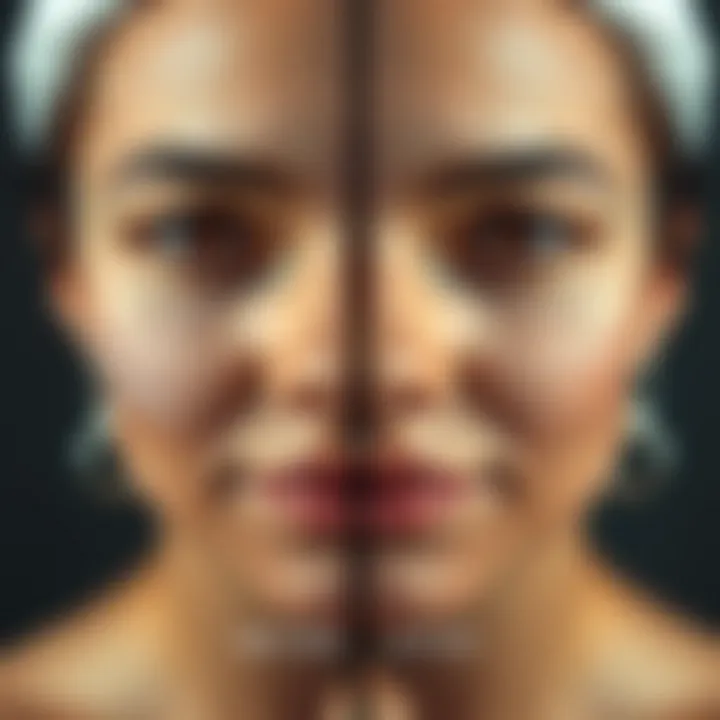
In professional settings, many dermatologists recommend this technique to clients looking to enhance their glow in preparation for special events. Bright, fresh skin can also boost confidence, making you feel more self-assured in your own skin. Who wouldn’t want that?
"A smoother canvas yields a more vibrant portrait."
Opportunities abound with dermaplaning when it comes to promoting an improved skincare routine. With such advantages, it doesn’t come as a surprise that many individuals are incorporating it into their beauty regimen. Whether you’re preparing for a big night out or looking to enhance your everyday look, understanding the benefits of dermaplaning is essential for anyone serious about their skincare.
Choosing the Right Dermaplaning Tool
Selecting the right dermaplaning tool is crucial for achieving optimal exfoliation results while minimizing risks. With the myriad of options available on the market today, making an informed decision can significantly impact the effectiveness of your skincare routine and your overall satisfaction with the process. Choosing the appropriate tool not only enhances the dermaplaning experience, but also ensures that your skin receives the treatment it craves.
When considering a dermaplaning instrument, it’s vital to keep in mind specific elements such as blade quality, design, and user comfort. The tool should have a sufficiently sharp blade, as a dull blade might tug at the skin rather than glide smoothly over it. Furthermore, the design plays a key role in maneuverability; a tool with an ergonomic handle can make it easier to reach your entire face without straining your wrist. Additionally, convenience is paramount; some tools are disposable, while others may require proper maintenance and sanitation.
Comparison of Dermaplaning Devices
When it comes to dermaplaning, there’s no one-size-fits-all device. You’ve got options like straight razors, specialized dermaplaning devices from brands like Schick, and battery-operated electric tools.
- Straight razors: Traditionally used by barbers, these can provide precise results but require a steadier hand and more practice.
- Manual dermaplaning tools: These often come with a smaller blade designed for at-home use, thus making them less intimidating for novices.
- Electric dermaplaners: These devices offer ease of use, often with various speed settings. However, they can be pricier and may not allow for as fine-tuned control as their manual counterparts.
Each type has its benefits and drawbacks. It's essential to evaluate your ability and comfort level when selecting among these different tools. For a smoother learning curve, beginners may benefit more from a manual or electric option, while seasoned skin enthusiasts may prefer the control offered by a traditional straight razor.
Why Schick Dermaplane Stands Out
Now, why does Schick Dermaplane deserve special attention? There’s a confluence of factors that set it apart from the crowd. Firstly, Schick has established a reputation for quality and reliability in grooming products, which extends into their dermaplaning tools. Their devices feature ultra-thin blades, designed to get into every facet of your facial curvature without risking nicking or cutting the skin. This is key for anyone who might be apprehensive about dermaplaning on their own.
Furthermore, Schick dermaplaning tools often come equipped with a comfort grip handle, promoting ease of use even for those who aren’t pros at at-home skincare. A tool that fits comfortably in hand can make a world of difference, particularly for longer sessions.
"Investing in a quality tool not only ensures the safety and efficacy of your skincare routine but transforms your entire self-care ritual into a luxurious experience."
Lastly, the convenience of Schick’s design, such as their replaceable blades, means you won’t have to continuously spend on new tools, alleviating the pressure on both your skincare budget and your environmental footprint. Thus, Schick stands as a commendable choice for anyone looking to integrate dermaplaning gracefully into their regimen.
The Dermaplaning Process
The dermaplaning process speaks to the heart of achieving smooth, vibrant skin. Understanding this procedure is critical not just for those looking to enhance their regimen, but also for stylists, bloggers, retailers, and shoppers aiming to educate themselves on effective skincare. This section covers the essential steps, techniques, and post-treatment care necessary for effective dermaplaning.
Preparation Steps
Skin Cleansing
Cleansing the skin prior to dermaplaning is a pivotal step. This preparation involves removing makeup, dirt, and oils to provide a clean slate for the procedure. Clean skin allows the dermaplaning tool to glide more efficiently, reducing the chances of irritation or uneven results. Moreover, a well-cleansed face promotes better exfoliation, making it a popular choice for achieving optimal outcomes.
A key characteristic of skin cleansing is the selection of suitable products. Gentle, non-abrasive cleansers are highly recommended. They don’t strip natural oils and help maintain the skin's barrier. Unique features of effective cleansing include formulation with hydrating ingredients, which helps prep the skin without causing dryness. While its advantages are clear—such as improving smoothness and clarity—improper cleansing can lead to adverse reactions.
Choosing the Right Lighting
Lighting's critical role in the dermaplaning process should not be underestimated. Good lighting allows the person performing the treatment to see areas requiring attention, ensuring a thorough job without missing spots. Natural light is often an excellent choice, as it reveals shadows and highlights skin textures effectively.
Having the right lighting can also influence the comfort level during the procedure. A well-lit environment makes it easier to assess the skin's condition pre and post-exfoliation. When utilizing artificial lighting, options that mimic daylight, such as LED lights, work wonders. However, harsh fluorescent lights can cause discomfort and distort skin appearance, making this choice less favorable.
Techniques for Effective Dermaplaning
Angle and Pressure Application
The angle at which the dermaplaning tool is held significantly impacts the procedure's effectiveness. Ideally, it should be maintained at about a 45-degree angle from the skin's surface. This positioning enables the blade to catch dead skin cells and vellus hair without cutting the skin itself.
Proper pressure is equally important. If too much pressure is applied, it can result in nicks or irritation. Conversely, too little pressure may not achieve the desired results, leaving some dead skin behind. Balancing angle and pressure is a learning curve for many, but mastering these elements can lead to a smoother outcome, enhancing the skin's overall texture.
Direction of Movement
The direction in which the blade moves also plays a vital role in the effectiveness of dermaplaning. Typically, moving the blade in short, swift strokes can achieve better results. It’s often recommended to go in the opposite direction of hair growth. This technique not only enhances exfoliation but also improves hair removal efficiency—ensuring a smoother finish.
One unique feature of this movement style is that it promotes skin rejuvenation. By working in the right direction, one can minimize the risk of irritation or skin trauma. While it may require practice to get it just right, understanding when and how to shift directions can enhance the overall dermaplaning experience.
Post-Dermaplaning Care
Hydration and Moisturization
Once dermaplaning is complete, hydration is crucial. Post-exfoliation, the skin can feel dry or sensitive, making the application of quality moisturizers and serums important. Products rich in hyaluronic acid or glycerin can help draw moisture into the skin, replenishing lost hydration.
A standout benefit of a good hydrating routine post-dermaplaning is that it enhances the skin barrier, providing a protective layer. On the downside, some heavy creams may not be well-tolerated on freshly exfoliated skin, so it’s important to choose products wisely.
Sun Protection
After dermaplaning, the skin is more vulnerable to sun exposure. Therefore, applying sunscreen becomes non-negotiable. A broad-spectrum SPF protects against UV rays, preventing potential damage and pigmentation that might occur post-exfoliation.


Moreover, using sunscreen aligns perfectly with general skincare practices, as ongoing protection is crucial for maintaining skin health. Yet, finding the right sunscreen can be a challenge for some. Creams that feel too greasy or oily might deter users, highlighting the importance of selecting formulations that suit individual skin types.
Pro Tip: Always apply sunscreen every day, rain or shine, to maintain the results achieved through dermaplaning and protect against long-term damage.
By focusing on these steps within the derma-planning process, individuals can achieve clearer, smoother skin while enhancing their overall skincare routines. Proper prep, technique, and aftercare create a comprehensive approach that helps avoid pitfalls and promotes lasting results.
Skin Types and Dermaplaning
Understanding skin types is essential when it comes to dermaplaning. Each person’s skin is unique, and what works wonderfully for one individual may not yield the same results for another. By recognizing the differences in skin types, we can determine who benefits most from dermaplaning and how to approach the process for various skin conditions. This awareness is significant, especially when incorporating Schick dermaplane into one's skincare routine, as it can enhance the overall wellness of the skin while delivering personalized care.
Ideal Candidates for Dermaplaning
Dermaplaning is not a one-size-fits-all treatment; it's crucial to recognize who can truly benefit from it. Ideal candidates usually include individuals with:
- Normal to Dry Skin: This skin type often shows the most immediate results post-dermaplaning. The method can improve texture and radiance.
- Fine or Sparse Facial Hair: People having light fuzz benefit from this technique as it provides a smoother finish without the worry of stubble.
- Dull Complexion: Those dealing with lifeless skin will likely see a revitalizing effect from the exfoliation which can help bring forth a brighter appearance.
- Congested Skin Types: Individuals with a lack of glow caused by dead skin buildup can see improvement after a session.
It’s essential, however, for those with active acne or inflamed skin conditions to approach dermaplaning with caution. Consulting with a skincare professional before starting is advisable, as dermaplaning may worsen irritations or spread bacteria in such cases.
Considerations for Sensitive Skin
Sensitive skin requires a gentle and informed approach to dermaplaning. If someone has conditions like rosacea, eczema, or severe dryness, they must tread lightly. Here are some considerations:
- Pre-Treatment Consultation: Individuals with sensitive skin should consult a dermatologist or a skilled esthetician familiar with such concerns. Understanding the specific sensitivities can make all the difference.
- Test Patch: Before diving into a full treatment, a test on a small area can help gauge how the skin reacts. This precaution could prevent adverse effects.
- Post-Care Regimen: After dermaplaning, opt for gentle, hydrating products to soothe the skin. Ingredients like aloe vera or hyaluronic acid can be beneficial.
"The key to successful dermaplaning for sensitive skin lies in preparation, execution, and aftercare. Always prioritize your skin's health first."
By taking these unique skin factors into account, individuals can better tailor their dermaplaning experience, ensuring it marries well with their skin's needs. Understanding the specificities of skin types not only enhances the benefits of Schick dermaplane but ensures that the journey to better skin is both safe and effective.
Common Misconceptions About Dermaplaning
In the world of skincare, dermaplaning has gained quite a reputation. However, alongside its increasing popularity, several myths have also cropped up, muddling the understanding of this technique. It's crucial to unravel these misconceptions to not only clarify what dermaplaning is but also to appreciate its true benefits. Misconceptions can often lead to misinformation which, in skincare, may deter individuals from considering dermaplaning, limiting their options for achieving smoother, radiant skin.
Myths Regarding Hair Growth
One of the most pervasive myths surrounding dermaplaning is the belief that it leads to increased hair growth or coarseness. Many individuals mistakenly think that by shaving the peach fuzz away, they are activating hair follicles to grow thicker, darker hair.
In reality, the hair that is often removed during dermaplaning is vellus hair, which is typically finer and softer than terminal hair. Thus, shaving this type of hair has no bearing on the growth and texture of hair. When people dermaplane, they don't change hair follicles but rather get rid of the superficial layer of dead skin and fine hair, enhancing the appearance and texture of the skin. Therefore, one can effectively achieve that fresh-faced look without the fear of turning into a hairy monster post-treatment.
Skin experts agree: dermaplaning does not cause hair to grow back thicker.
Moreover, this technique not only removes the dead skin cells but also allows for better product absorption, so while a common misconception looms large, the facts tell a more beneficial story. Educating clients and understandining this myth ensures that they can feel at ease enjoying the benefits of dermaplaning without the worry of unintended side effects.
Safety Concerns Addressed
Safety is often a compelling concern, particularly with any treatments involving blades or sharp instruments. However, when done correctly, dermaplaning is safe for most skin types, including sensitive skin. The key lies in the proper execution of the technique and understanding one’s unique skin profile.
Using a high-quality device like Schick Dermaplane can help alleviate these worries. Practitioners or knowledgeable individuals should prioritize a clean environment and use tools that are specifically designed for this purpose. Furthermore, regular maintenance of the tools ensures that they remain effective and safe.
People might hesitate due to risks associated with improper technique, which can lead to nicks or irritations. It's vital to highlight the importance of either getting this done by a trained professional or receiving proper guidance when it’s a do-it-yourself occasion.
For those with skin conditions, such as active acne or eczema, consultation with a dermatologist beforehand can safeguard against exacerbating any pre-existing issues. It's about recognizing that while some safety concerns exist, they can be navigated effectively with the right knowledge and precautions. This promotes not only informed skincare choices but also instills confidence in individuals considering dermaplaning.
By addressing these misconceptions head-on, skincare enthusiasts and professionals alike can pave the way for a more informed approach to dermaplaning, helping to clear up the misunderstandings that may be holding them back from achieving their skincare goals.
Integrating Dermaplaning into Skincare Routines
Incorporating dermaplaning into one's skincare routine can feel like adding a secret weapon to the arsenal of beauty practices. The significance of this lays not just in improving skin texture but also how it sets the stage for other elements of skincare. Embracing this technique means understanding what it brings alongside its crucial role in enhancing skin health.
The integration of dermaplaning into regular routines allows individuals to experience smooth skin while also amplifying the benefits of products used afterward. By taking that step, one is not only shedding dead skin but also paving the way for serums, moisturizers, and other treatments that otherwise struggle to penetrate the skin effectively. Just like whetting one’s appetite before a main course, dermaplaning primes the skin for the nourishment that follows.
Frequency Recommendations
The frequency at which one should dermaplane ultimately depends on individual skin characteristics and goals. Generally, for most skin types, considering dermaaplaning once every three to four weeks is advisable. This timeframe allows enough time for the skin to regenerate, preventing irritation and over-exfoliation. As skin gradually sloughs off layers, following this timing helps maintain a balance, ensuring not to compromise skin integrity.
For those with drier skin types, dermaplaning can be adjusted to every four to six weeks. In contrast, those with oilier skin may opt to perform the treatment more frequently, up to every two to three weeks, while still paying attention to signs of irritation or sensitivity. As with any skincare routine, listening to your skin is key.
Complementary Skincare Products
When discussing complementary skincare products, it’s crucial to choose those that enhance rather than counteract the benefits derived from dermaplaning. This synergy empowers the skin, leading to brighter, healthier looking results.
Exfoliants and Masks


Exfoliants and masks serve as powerful allies when paired with dermaplaning. These products facilitate further skin turnover, ensuring that the process remains effective in the long haul. Chemical exfoliants, like glycolic acid or lactic acid, can gently dissolve the bonds that hold dead skin cells together, complementing the benefits of physical exfoliation provided through dermaplaning. One major advantage here is that these exfoliants target oil and impurities without causing undue stress to freshly exfoliated skin. However, a keen eye must be kept on any signs of sensitivity; going overboard can lead to redness or irritation.
Hydrating Serums
Hydrating serums can profoundly transform the post-dermaplaning experience. Once the dead skin has been cleared away, these lightweight formulations can swiftly absorb, delivering vital ingredients straight where they're needed most. Serums infused with hyaluronic acid, for instance, are golden choices as they help retain moisture in the skin, leaving it plump and luminous.
The unique feature of these serums lies not only in their hydrating properties but also in the fact that they often contain antioxidants that work tirelessly against environmental aggressors. While they can bring about immediate comfort to dry skin, one must ensure they choose products suited to their skin type to avoid any reactions that might occur from mixing too many active ingredients.
Integrating dermaplaning with the right frequency and complementary products assures the skin not only looks its best but functions optimally. After all, when it comes to skin, it is all about maintaining harmony and balance.
"The skin is the most noticeable part of us; a clear path to nurturing it brings confidence and comfort."
Engaging with these practices effectively can lead to prolonged beauty routines that yield benefits far beyond the surface.
Potential Side Effects and Risks
Understanding the potential side effects and risks associated with dermaplaning is essential for ensuring safe practice and optimal skin health. While the procedure boasts numerous benefits, there is always a flip side to consider. Every skin type reacts differently, and being well-informed can make the difference between a blissful experience and regret. This section delves into the specific skin reactions that may occur and when it's wise to seek professional help.
Irregular Skin Reactions
Skin can be as unpredictable as a cat on a hot tin roof. After dermaplaning, it’s not uncommon to experience several irregular skin reactions. These may include:
- Redness: Post-treatment redness can resemble a mild sunburn. It typically subsides within a few hours but can be alarming for those unfamiliar with the process.
- Breakouts: Exfoliating dead skin can sometimes trigger breakouts. This is particularly true for individuals prone to acne, as underlying impurities may come to the surface.
- Dryness and Flakiness: While removing dead skin cells leads to a smoother surface, it can also strip the skin of its natural moisture, leading to dryness.
- Allergic Reactions: Depending on individual skin sensitivities, some may experience hives or itching, mainly if reactionary products are applied immediately post-treatment.
To mitigate these reactions, it's advisable to:
- Use soothing products after the procedure. Look for aloe-vera-infused creams or soothing gels.
- Avoid heavy makeup for a day or two.
- Stick with hydrating serums or moisturizers enriched with hyaluronic acid.
"Prevention is better than cure." Taking preventive stepsPost-exfoliation is critical for maintaining skin health.
When to Consult a Dermatologist
Engaging in dermaplaning is one thing, but knowing when to call in the pros is another. Circumstances that warrant a visit to a dermatologist include:
- Persistent Redness or Swelling: If inflammation doesn’t fade after a day or two, it could signal an adverse reaction.
- Severe Breakouts: A breakout that escalates rather than improves may hint at other underlying issues or unsuitable technique.
- Signs of Infection: If any blisters or pus develop, immediate care is paramount to prevent further complications.
- General Skin Concerns: Anyone with pre-existing skin conditions, such as eczema or psoriasis, should consult a dermatologist before trying dermaplaning.
Connecting with a professional not only ensures peace of mind but could save your skin from unnecessary distress. The right expert guidance can identify specific needs and make recommendations tailored for individual skin conditions.
The Role of Dermaplaning in Professional Settings
Dermaplaning has found its groove in professional skincare settings, becoming a staple not just for aesthetics, but also for effective skin management. When done by trained professionals, dermaplaning transcends mere beauty treatment; it evolves into a comprehensive method for maintaining skin health. By removing dead skin cells and peach fuzz, professionals create the perfect canvas for subsequent treatments and product applications.
How Professionals Utilize Dermaplaning
In the hands of skilled aestheticians and dermatologists, dermaplaning serves various purposes. Some of the key ways professionals utilize this technique include:
- Pre-Treatment Preparation: Dermaplaning creates an optimal base for other treatments. By exfoliating the surface, the skin is more receptive to peels, serums, and other procedures. This pre-treatment not only enhances the effectiveness of these treatments but also reduces the chances of skin irritation.
- Customized Services: Professionals can tailor the dermaplaning experience to meet the unique needs of each client. They can assess skin types and concerns, modifying pressure, techniques, and accompanying products accordingly.
- Post-Procedure Assessment: Post-dermaplaning, professionals help clients understand what to expect. They guide patients on aftercare such as UV protection and hydration, reinforcing the importance of maintaining results.
Client Consultations and Expectations
Before undergoing any dermaplaning procedure, communication between the client and practitioner is essential. A comprehensive consultation lays the groundwork for successful outcomes. During these discussions, practitioners focus on:
- Understanding Concerns: Clients express their skin issues and goals, ensuring the treatment aligns with their expectations.
- Setting Realistic Outcomes: It's vital for clients to grasp what dermaplaning can achieve. Professionals help set realistic expectations regarding skin improvement and maintenance.
- Explaining the Process: As many clients may be unfamiliar with dermaplaning, explaining the technique can alleviate anxiety. Making them aware of the procedure length, sensation, and necessary aftercare promotes trust and comfort.
- Monitoring Skin Health: Aftercare involves monitoring skin responses, thereby determining if any further treatments are necessary. This ongoing relationship can significantly enhance client satisfaction and loyalty.
In summary, the role of dermaplaning in professional settings goes beyond aesthetics; it embodies a multifaceted approach to skin health. Professionals, equipped with understanding and expertise, ensure that clients leave with not only smooth skin but also knowledge about how to maintain those results. Dermaplaning’s integration into professional practices is a significant leap forward in skincare, reinforcing the value of expert-led treatments.
The End
As we wrap up this comprehensive guide on Schick Dermaplane, it’s essential to reflect on the pivotal role that dermaplaning plays in skincare routines. The technique is not just about removing dead skin and peach fuzz; it is about rejuvenation and enhancing the overall health of your complexion. Dermaplaning can pave the way for skincare products to penetrate deeper, providing greater efficacy, and therefore a noticeable improvement in skin texture and glow. By utilizing tools like the Schick Dermaplane, individuals can experience these benefits in the comfort of their own homes, making it a convenient option for many.
The importance of knowing proper techniques and post-care is also key in this process. One must always prioritize skin safety and health. Regular consultations with a dermatologist can help tailor the dermaplaning experience to suit individual skin types, further optimizing results.
In considering the future of dermaplaning, it seems clear that this practice will continue to evolve, with innovations in tools and techniques enhancing user experience and outcomes. As consumers become more knowledgeable about skincare, the demand for effective and safe exfoliation methods will only grow.
"The best skincare routines are those that combine science with a personal touch. Dermaplaning is just one step in a larger journey toward holistic skin health."
Summary of Key Points
- Dermaplaning provides immediate textural improvement to the skin.
- The Schick Dermaplane tool is designed for effective, safe exfoliation, setting a high standard in the market.
- Post-care routines, which include hydration and sun protection, are crucial to achieving optimal results.
- Professional guidance is recommended for individuals with sensitive skin or those who have never dermaplaned before.
- The future of dermaplaning promises advancements, with a shift towards personalized skincare approaches enhancing user engagement.
Future of Dermaplaning Techniques
Looking ahead, the landscape of dermaplaning is poised for significant transformations. Innovations in technology may lead to the development of more advanced tools that provide even better precision and safety. For instance, smart dermaplaning devices equipped with sensors to assess skin condition in real-time could become a reality, thereby minimizing risks and maximizing results.
Additionally, as the education around this practice expands, it is likely that more integrated skincare routines will emerge. Combining dermaplaning with other aesthetic methods, such as microneedling or chemical peels, might become a standard practice. These combinations could offer amplified benefits, tackling multiple skin concerns in one go.
The conversation around skin health is evolving, focusing more on inclusivity, and understanding that every skin type and tone deserves specialized care. As awareness grows, so will the demand for procedures like dermaplaning that cater to diverse needs, enhancing aesthetic satisfaction and encouraging individuals to embrace their natural beauty.
For those interested in delving deeper into the realm of dermaplaning, resources such as Wikipedia, Britannica, and community discussions on platforms like Reddit can provide additional insights into trends and techniques, ensuring you stay informed in this ever-evolving field.